


Commercial vs Theatrical Headshots: What’s the Difference?
If you are pursuing acting work, your headshot is your first audition. Before casting directors ever hear your voice or see your reel, your headshot decides whether you get called in.
One of the most common questions actors ask is simple but critical.
What is the difference between commercial and theatrical headshots?
Let’s break it down clearly so you know exactly what casting directors expect and how to submit the right image every time.
What Is the Difference Between Commercial and Theatrical Headshots?
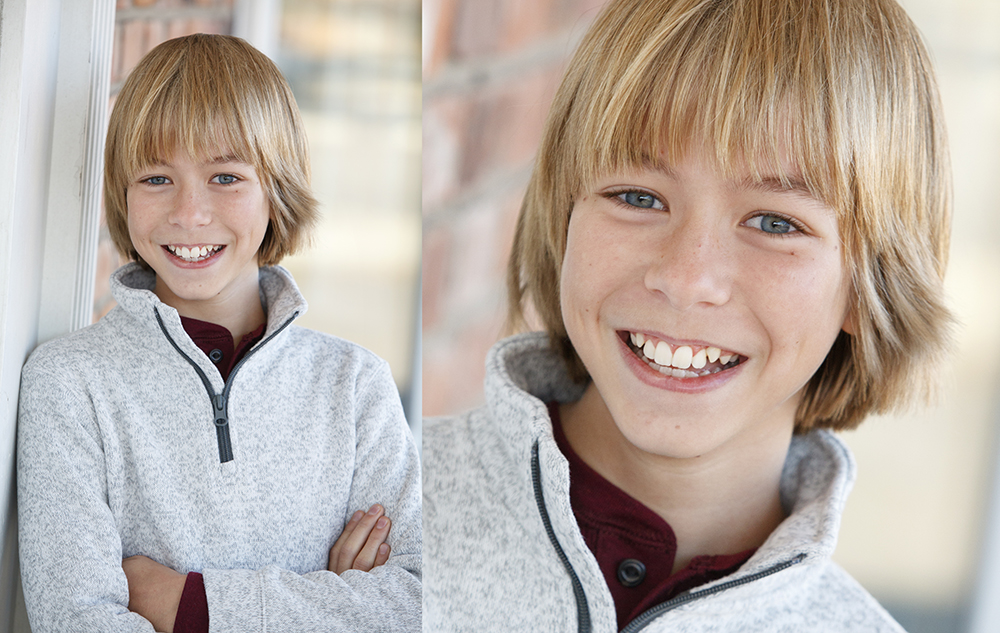
Commercial headshots are used for advertising and brand-driven roles and focus on friendliness, approachability, and relatability.
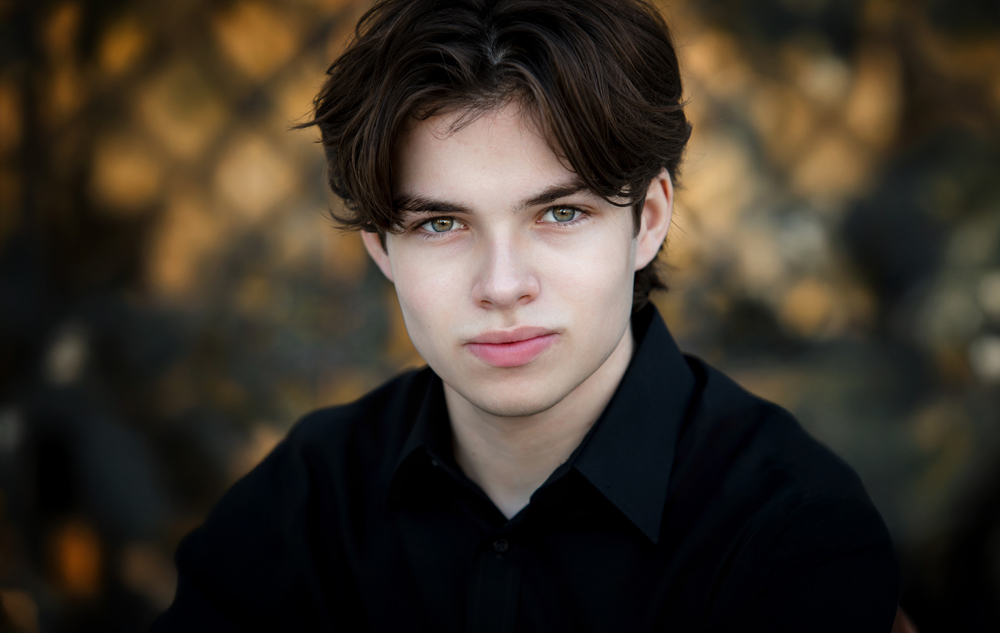
Theatrical headshots are used for film, television, and stage roles and focus on character, emotional depth, and dramatic presence.
Both are acting headshots, but they serve very different casting purposes.

What Is a Commercial Headshot?
A commercial headshot is designed to sell connection. Casting directors want someone audiences instantly trust and relate to.
Commercial headshots are commonly used for:
- Television and digital commercials
- Lifestyle and brand advertising
- Corporate and industrial video
- On-camera spokesperson and hosting work
Key Features of a Commercial Headshot
- Friendly, approachable expression
- Often smiling, but always natural
- Bright, even lighting
- Clean, simple backgrounds
- Polished but casual wardrobe
A strong commercial headshot makes casting think, “This person feels familiar and trustworthy.”

Who Needs a Commercial Headshot?
You need a commercial headshot if you audition for:
- Commercial acting roles
- Brand and lifestyle campaigns
- Corporate video and spokesperson work
- Media and on-camera hosting
If relatability sells the role, a commercial headshot is essential.
What Is a Theatrical Headshot?
A theatrical headshot is designed to show character and emotional range. These headshots are used for roles where storytelling matters more than surface charm.
Theatrical headshots are used for:
- Film and television auditions
- Theater and stage productions
- Dramatic and dramatic-comedic roles
Key Features of a Theatrical Headshot
- Serious or neutral expressions
- Emotion and intention in the eyes
- Moodier or more dimensional lighting
- Subtle shadows for depth
- Character-driven wardrobe choices
A theatrical headshot should make casting instantly imagine you in a role.

Who Needs a Theatrical Headshot?
You need a theatrical headshot if you audition for:
- TV and film roles
- Stage and theater productions
- Dramatic or character-driven work
If scripted acting is part of your path, a theatrical headshot is not optional.
Commercial vs Theatrical Headshots: Key Differences
Commercial headshots
- Friendly or smiling expressions
- Bright, even lighting
- Broad, relatable appeal
- Used for commercials and brand work
Theatrical headshots
- Serious or neutral expressions
- Moodier, dimensional lighting
- Character-driven presence
- Used for TV, film, and theater
Neither replaces the other. They solve different casting problems.
Which Headshot Do I Need?
If you audition for commercials, you need a commercial headshot.
If you audition for film, television, or stage roles, you need a theatrical headshot.
If you audition for both, you need both types of headshots.
Submitting the right headshot shows casting directors you understand the industry.
Should You Smile in a Headshot?
You should smile in a commercial headshot because casting directors want friendly, approachable energy.
You usually should not smile in a theatrical headshot because casting directors want emotional depth and character.
A professional acting headshot session should capture multiple expressions so you are never limited to one look.
Wardrobe for Commercial vs Theatrical Headshots
Wardrobe choices strongly influence how casting reads you.
Commercial Headshot Wardrobe
- Bright, solid colors like blues and greens
- Casual but polished clothing
- Modern, everyday styles
- Avoid black, gray, and busy patterns
Theatrical Headshot Wardrobe
- Earth tones and muted colors
- Layers and subtle texture
- Simple, character-appropriate styling
- Avoid loud colors and distracting patterns
Your wardrobe should support your face, not steal attention from it.
What About Comedic Headshots?
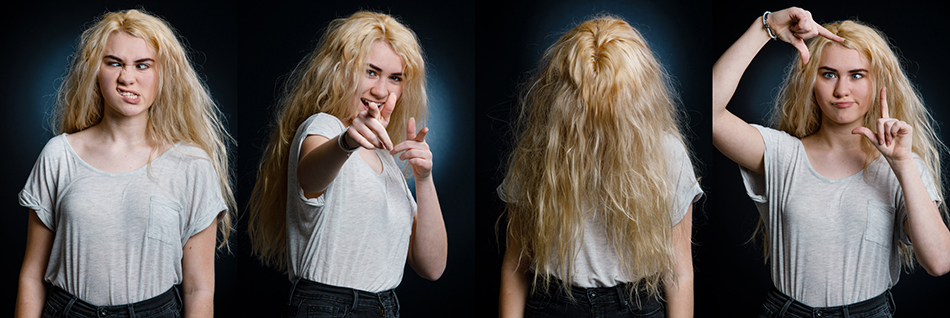
Comedic headshots sit between commercial and theatrical styles.
They are:
- More expressive than theatrical headshots
- Less polished than commercial headshots
- Ideal for sitcoms, comedy films, and stand-up
If comedy is part of your lane, a comedic headshot adds flexibility.
Commercial vs Theatrical Headshots FAQ
Can I use one headshot for both commercial and theatrical auditions?
You can, but it is not recommended. Casting directors expect different looks for different roles.
Do casting directors care about headshot type?
Yes. Many casting decisions begin with whether the headshot matches the role category.
How many headshots should an actor have?
Most actors should have at least one commercial headshot and one theatrical headshot.
Professional Headshots That Match Real Casting Needs
A great headshot is not about trends or filters. It is about understanding casting expectations and creating images that work in real auditions.
An acting headshot photographer helps guide expression, wardrobe, and lighting so your images align with how casting actually hires.
Book Your Commercial or Theatrical Headshot Session
If you need commercial headshots, theatrical headshots, or both, the goal is simple. Create images that get you called in.
📸 Book your actor headshot session
📞 Call: 313-883-9500
📩 Have questions? Contact me here
Your headshot should open doors, not quietly close them. Let’s make sure you are submitting the right image every time.